
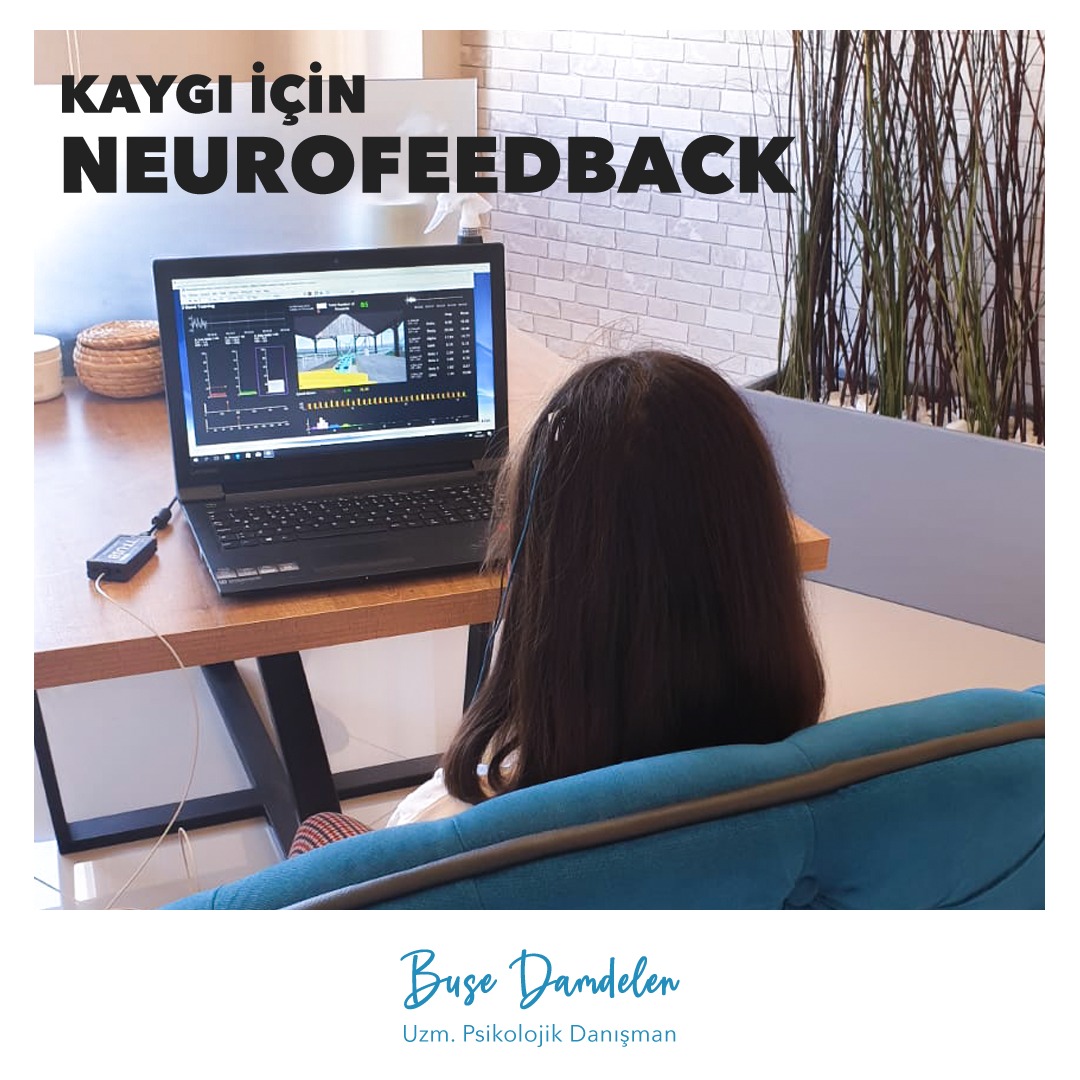
Kaygı için Neurofeedback
Kaygı problemini sadece yetişkinlere özgü varsayarız. Ancak çok küçük yaşlarda görülebilen kaygının varlığını göz önünde bulundurduğumuzda, çocukların profesyonel bir yardım alması çocuğun ileriki yaşamı için çok önemli bir rol oynamaktadır 🌸
Miniklerin yaşadığı kaygı problemlerinin gerek çocukluk döneminde gerekse ilerleyen yaşlarında büyük sıkıntılara yol açmaması için uyguladığımız Neurofeedback tedavisi, ebeveynler ile sorumluluklarının bilincinde hareket etmesiyle desteklenir 🙌
Uyguladığımız her Neurofeedback seansı sonrasında anne-baba ile birlikte seansın ve minik danışanın ilerleyişi hakkında bilgi alışverişiyle takibini sağlıyoruz. Ebeveynlerin, Neurofeedback uygulamasından sonra gerekli kuralları çocuğa uygulatmasını istiyoruz. Böylece miniklerin tedavilerinin daha da verimli geçmesini sağlıyoruz 🤩
Çocuklar geleceğimizdir.
Learn More
Steps to Overcoming Teenage Anger
- You’ve been feeling low or irritable for most of the day, every day for two weeks or more. You might have found yourself worrying about past or future events for long periods of time, or simply feeling sad, cross or tearful. Sometimes it’s hard to recognize a gradual change – have others noticed that you don’t seem your usual self?
- You’ve lost interest in activities that you used to enjoy. Perhaps you have been seeing less of your friends or family recently, have stopped going to the gym, or cooking balanced meals. This is really about recognizing changes in what’s normal for you – no one is saying you have to exercise five times a week or eat your greens, but changes in your routine can offer concrete indications that your mood is changing.
- You are struggling to concentrate. You might notice that you struggle to focus when reading or watching television, for example, or to follow the thread of a spoken conversation. This could be affecting your performance at work, or limiting your ability to perform routine tasks such as food shopping. Again, we are looking for a change in what’s normal for you, so if concentration has always been something you find tricky there is little cause for concern.

In three words I can sum up everything I’ve learned about life: it goes on.
– Robert Frost

How to Talk About Your Mental Health
- You’ve been feeling low or irritable for most of the day, every day for two weeks or more. You might have found yourself worrying about past or future events for long periods of time, or simply feeling sad, cross or tearful. Sometimes it’s hard to recognize a gradual change – have others noticed that you don’t seem your usual self?
- You’ve lost interest in activities that you used to enjoy. Perhaps you have been seeing less of your friends or family recently, have stopped going to the gym, or cooking balanced meals. This is really about recognizing changes in what’s normal for you – no one is saying you have to exercise five times a week or eat your greens, but changes in your routine can offer concrete indications that your mood is changing.
- You are struggling to concentrate. You might notice that you struggle to focus when reading or watching television, for example, or to follow the thread of a spoken conversation. This could be affecting your performance at work, or limiting your ability to perform routine tasks such as food shopping. Again, we are looking for a change in what’s normal for you, so if concentration has always been something you find tricky there is little cause for concern.
In three words I can sum up everything I’ve learned about life: it goes on.
– Robert Frost